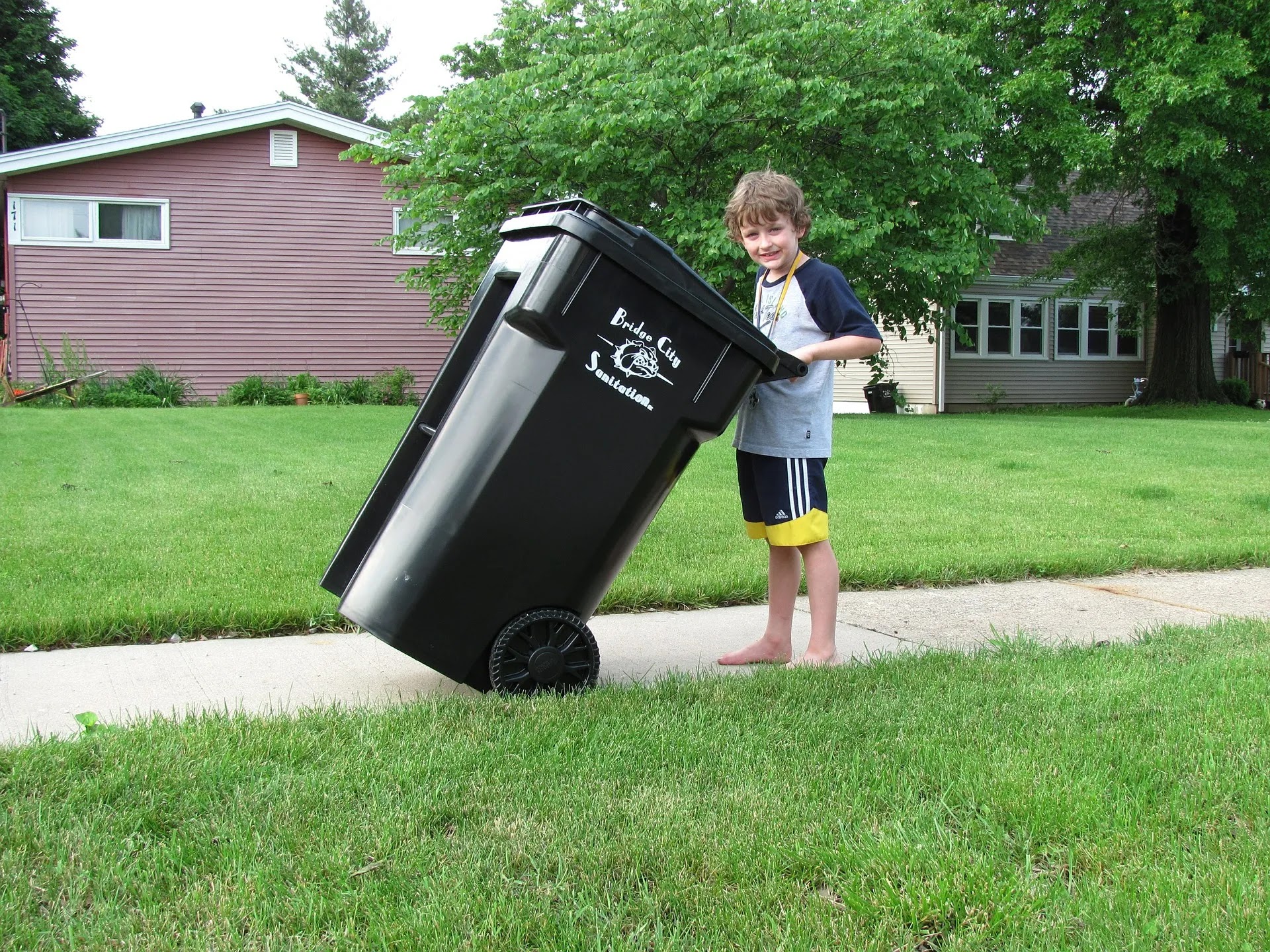
How To Keep Your Waste Bin Clean And Fresh


How To Keep Your Waste Bin Clean And Fresh

     One of the most important objects from your home is the waste bin. But what do you do when you walk past by bin and it smells like it's moving your nose or it's so dirty you can't get your hands on it? How to keep your waste bin clean and fresh?


How To Keep Your Waste Bin Clean And Fresh

    Waste bins are some of the most widely used containers for waste of all kinds, from recyclable waste to household or medical waste. The waste bin is a constant source of germs and unpleasant odors, which is why it is advisable to clean it as often as possible. When cleaning, it is best to pay attention to the trash can and its area, as food may have fallen off. An important step in the most efficient organization of waste management is the emergence of the selective collection system. Due to the need for environmental protection, and hygiene, but also to be the ability to easily separate waste, waste bins, garbage containers, dumpsters and trash cans have become necessary tools in the process of storage and collection of waste.

    How do we prevent odors to spread from the waste bin?

    No matter where the waste bin or trash can is placed, it is very important that the lid is closed. In this way, not only will unpleasant odors not spread (especially on hot summer days) but the waste will not be scattered by pests.

    It is recommended that food waste packaging be washed beforehand;

    Strong-smelling diapers or food scraps should be packed in extra bags and tightly closed.

    How do we clean the waste bin?

     To clean up odors from the waste bin, it is recommended to clean the bins, trash cans, and containers with hot water and cleaning products like dish liquid soap. The bin must be cleaned once a month for household waste, and once every three months for other recyclable waste. It is important that this process of washing the bin be done in a place where there is no danger of contamination with debris from the bin or pathogenic germs. Usually, the ideal place is behind the house, on a concrete platform provided with a sewer drain.


How do we clean the waste bin?


    To start, use a bucket in which you add liquid detergent, warm water, and a straw brush or a rougher sponge. Don't forget to use rubber protective gloves. If you don't want to use chemical cleaning solutions, you can make a mixture of ingredients, which you have at home, from baking soda and lemon, a mixture that cleans just as well but refreshes the smell. Rub well with the brush or sponge bin both inside and outside using plenty of warm water. After this operation, you can rinse the bin with cold water using either the hose connected to the tap or simply by throwing the water with a bucket.
    
    Another cleaning method is using a pressure washer if you have it in the yard. This method saves you the effort of cleaning the bin manually and saves time as well. Before putting the bin in its place, let it dry upside down.


How To Keep Your Waste Bin Clean And Fresh

    To keep odors away when using the bin, I recommend that you put a special Bin air freshener capsule inside. They can be found at all DIY or gardening stores.

    Keeping the bin clean is very important, especially when it is kept in the yard where you carry out recreational activities or where children can play. You can reduce the risk of germs and bacteria spreading, which can multiply if the bin is not cleaned, and also stop the spread of odors.

    If you have any questions or would like to help with advice, feel free to leave a comment and I will answer as soon as I can. 
    Thanks!


Comments

Popular posts from this blog

The Top 10 Home Energy Audits You Can Do Yourself

  Introduction In the face of the escalating cost of living crisis, UK homeowners are searching for ways to reduce their energy consumption and lower their energy bills. Carrying out a home energy audit provides a valuable first step, offering insights into potential energy leaks and areas of wastage. Professional energy audits are undoubtedly comprehensive, but can also be costly. However, there's a silver lining for the budget-conscious homeowner: you can conduct your very own DIY home energy audit. With only a notepad and pen, you can effect significant changes in your home's energy consumption and savings. In this blog post, we will guide you through the top 10 home energy audits that you can perform yourself. Why Conduct a Home Energy Audit? The fast pace of advancement in energy-saving technology means that even homes built recently can swiftly fall behind the curve in terms of energy efficiency best practices. It's essential to note that even the new...

Top 10 Energy-Efficient Windows for Your Home

  Top 10 Energy-Efficient Windows for Your Home As we strive to make our homes more energy-efficient, one of the most effective changes we can make is upgrading our windows. With the right selection, we can drastically reduce our energy consumption, saving on utility bills and contributing to a healthier planet. Here, we list the top 10 types of energy-efficient windows for your home. What Makes a Window Energy-Efficient? The energy efficiency of a window is determined by a few key factors - the type of glazing, the material of the frame, and the construction of the window itself. The most efficient windows feature multiple layers of glazing, low-conductivity frames, and quality construction to ensure minimal heat transfer. 1. Double Glazed Vinyl Windows Vinyl frames are excellent insulators, and when coupled with double glazing, they provide a highly energy-efficient window solution. Double glazing creates an insulating barrier that reduces heat transfer, help...

Your Ultimate Guide to Solar Panel Installation

Solar energy is an immense source of directly usable clean energy that is freely available to all. Harnessing this power for our everyday energy needs is becoming ever more crucial as global energy demands rise, and the impacts of fossil fuel consumption become increasingly visible. In this article, we delve into the critical aspects of solar panel installation. Understanding the Power of Solar Energy The sun is the universe's most abundant energy source, bathing our planet in a vast amount of clean, renewable power every day. By understanding the depth of this power, we can harness it more effectively for our energy needs. The Science Behind Solar Energy Solar energy works on the fundamental principle of photovoltaics, a process that converts sunlight into electricity. When sunlight strikes the photovoltaic cells of a solar panel, it energizes electrons, setting them into motion and creating an electrical current. This Direct Current (DC) is then converted into Alternating Current...